25 effective ways to drive more foot traffic to your retail store
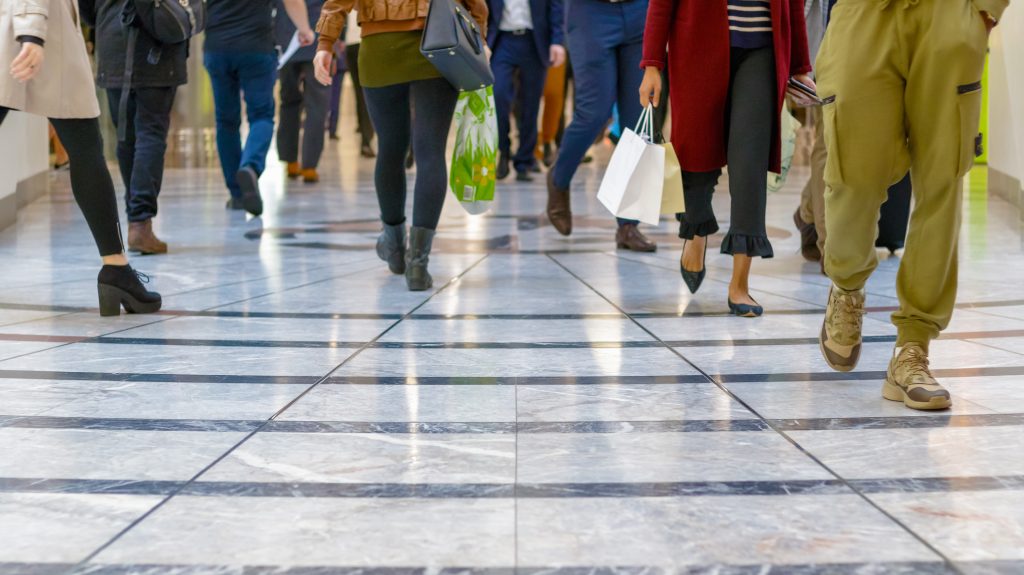
Empty satisfies no one. A store without customers is just expensive real estate—and every retailer knows the anxiety of watching foot traffic decline while fixed costs stay the same.
The strategies that actually work aren’t complicated, but they do require coordination across marketing, operations, and your frontline team. This guide covers 25 proven tactics to bring more customers through your doors, from optimizing your digital presence to creating in-store experiences worth returning for.
In this article
What is retail foot traffic
Foot traffic is simply the number of people who walk into your store during a given time period. Think of it as the retail equivalent of website visits—every person who crosses your threshold represents a potential sale.
Tracking foot traffic gives you a baseline for measuring whether your marketing, promotions, and operational decisions actually translate into more store visits. Without this number, you’re essentially guessing about what’s working.
Why foot traffic matters for retail success
More visitors mean more chances to make sales, suggest add-on items, and build relationships that bring people back. Even with e-commerce growing rapidly, 84.1% of retail transactions still happen in physical stores.
Beyond immediate revenue, in-person visits create brand experiences that screens simply cannot replicate. Customers who shop in person tend to spend more per visit and develop stronger loyalty than online-only buyers.
Here’s why foot traffic deserves your attention:
- Sales opportunities multiply: Each visitor represents potential revenue, and higher traffic typically correlates with higher overall sales
- Relationships deepen: Face-to-face interactions build the kind of loyalty that keeps customers coming back
- Data improves decisions: Traffic patterns help you staff appropriately, stock the right inventory, and time promotions effectively
How to measure foot traffic in a retail store
You can’t improve what you don’t track. Retailers have several options for counting store visits, ranging from low-tech manual methods to sophisticated analytics platforms.
Manual counting methods
Staff members with handheld clickers can track visitors at entrances. This approach costs almost nothing to implement, though human error and scalability become issues for busy stores or multi-location retailers.
Infrared and thermal sensors
Devices that detect body heat or beam breaks at doorways count entries automatically. They offer decent accuracy at moderate cost, though distinguishing between people entering versus exiting can be tricky.
Video analytics and camera systems
AI-powered cameras count visitors while also analyzing traffic patterns, dwell time, and movement throughout the store. The richer data comes at higher implementation costs.
Wi-Fi and Bluetooth tracking
Systems that detect mobile device signals estimate foot traffic and identify return visitors. Privacy considerations require clear disclosure to customers about data collection.
Retail analytics platforms
Integrated software combines multiple data sources into dashboards showing traffic trends across locations. Multi-location retailers find these particularly useful for comparing store performance.
Marketing strategies to increase foot traffic
Getting people through your doors starts with visibility. The following tactics help you reach potential customers where they already spend time—online and in your local community.
1. Optimize your Google Business Profile
Your Google Business Profile often serves as the first impression for customers searching “near me.” Accurate hours, fresh photos, and prompt responses to reviews all influence whether someone decides to visit.
2. Launch targeted social media campaigns
Geo-targeted ads on Instagram, Facebook, and TikTok can reach potential customers within a specific radius of your store. Promoting new arrivals, in-store-only deals, or behind-the-scenes content gives people a reason to stop by.
3. Partner with local influencers
Micro-influencers with engaged local followings can drive their audience to your store through authentic endorsements. A single post from a trusted local voice often outperforms broader advertising campaigns.
4. Invest in local advertising and direct mail
Hyperlocal digital ads combined with postcards or flyers reach nearby residents who may not be active on social media. Direct mail still generates strong response rates for local retail promotions.
5. Create shareable in-store photo opportunities
Setting up “Instagrammable” spots encourages customers to photograph and share their visit. This user-generated content provides organic social proof that attracts new visitors without additional ad spend.
6. Use your website to drive in-store visits
Feature store locators prominently, highlight in-store exclusives, and create content emphasizing the benefits of visiting in person. Your website can serve as a bridge between online research and physical visits.
In-store experience tactics that boost foot traffic
Once you attract visitors, the experience determines whether they return and recommend your store. The following tactics focus on what happens inside your four walls.
7. Deliver exceptional customer service
Well-trained, knowledgeable staff create memorable experiences that differentiate physical stores from online shopping. When frontline employees feel confident about products, promotions, and policies, they can provide personalized assistance that keeps customers coming back.
8. Optimize store layout and navigation
Clear sightlines, logical product groupings, and accessible pathways make browsing enjoyable rather than frustrating. Customers who can easily find what they’re looking for tend to stay longer and purchase more.
9. Create an inviting store ambiance
Lighting, music, scent, and cleanliness all contribute to how customers feel in your space. Sensory elements influence dwell time and purchase behavior more than most retailers realize.
10. Refresh visual merchandising regularly
Rotating displays and featuring new products prominently keeps your store looking fresh. Regular updates give customers a reason to visit again, even if they stopped by recently.
11. Streamline the checkout process
Long wait times drive customers away. Mobile POS systems, self-checkout options, or adequate staffing during peak hours can reduce friction at the final stage of the shopping journey. But the right tools only solve part of the problem. Axonify’s 2026 Frontline Operations Report found that 54% of task assignments still happen verbally with no verification or audit trail, meaning peak-hour coverage plans and line management procedures are only as reliable as the last conversation that passed them along.
12. Maintain storefront curb appeal
Clean windows, updated signage, well-lit entrances, and attractive window displays draw passersby inside. Your exterior is your first opportunity to make an impression on potential customers.
Omnichannel strategies to drive store visits
Blending online and offline experiences creates multiple pathways to get people into your store.
13. Offer buy online pick up in store
BOPIS (buy online, pick up in store) brings digital customers to physical locations. 85% of BOPIS shoppers make additional purchases during pickup, turning a simple transaction into a larger sale.
14. Accept in-store returns for online purchases
Easy return policies bring online shoppers into stores, creating opportunities for exchanges or new purchases. What starts as a return often ends as a sale.
15. Implement endless aisle inventory access
Giving store associates access to full inventory, including warehouse and other locations, prevents lost sales. Customers feel confident visiting when they know they can get what they want, even if it’s not on the shelf.
16. Use your mobile app to encourage visits
Store-specific notifications, in-store navigation or app-exclusive deals reward in-person visits. Apps create a direct communication channel with your most engaged customers.
Events and community engagement that attract customers
Giving people a specific reason to visit creates urgency and excitement.
17. Host in-store events and workshops
Product demonstrations, DIY classes or expert Q&A sessions draw crowds and position your store as a community hub. Events give customers a reason to visit on a specific day rather than “sometime.”
18. Collaborate with local businesses and partners
Cross-promotions, pop-ups or joint events with complementary businesses let you tap into each other’s customer bases. A coffee shop partnership or local artist showcase can introduce your store to entirely new audiences.
19. Participate in community activities and causes
Sponsorships, charity drives or local event participation build goodwill and brand awareness. Customers increasingly prefer to support businesses that contribute to their communities.
20. Create seasonal and holiday experiences
Holidays, local events, and seasonal themes provide timely reasons to visit. Themed decorations, limited-time products, and special promotions capitalize on natural shopping moments.
Loyalty and retention strategies for repeat visits
Acquiring new customers costs significantly more than retaining existing ones, just as replacing experienced staff impacts service quality.
21. Launch a customer loyalty program
Reward structures that incentivize repeat visits—points systems, tiered benefits, or members-only perks—give customers a reason to choose your store over competitors, with 72% of consumers more likely to spend with brands offering loyalty programs.
22. Offer exclusive in-store products and promotions
Creating scarcity with items or deals only available to in-person shoppers drives traffic from customers who might otherwise shop online.
23. Provide personalized clienteling services
Associates who use customer purchase history and preferences to offer tailored recommendations create relationships that bring customers back. This personal touch is something online retailers struggle to replicate.
24. Encourage word of mouth and referrals
Referral programs, review requests, and experiences worth sharing turn satisfied customers into advocates. Personal recommendations remain one of the most trusted forms of marketing.
Technology solutions for increasing retail foot traffic
25. Provide digital amenities and conveniences
Free Wi-Fi, charging stations, interactive kiosks or digital price checkers enhance the in-store experience. Amenities like these give customers additional reasons to visit and stay longer.
How staff readiness impacts retail foot traffic
Every tactic in this article depends on frontline employees executing consistently. Undertrained or uninformed staff can undermine even the best foot traffic initiatives, and the gap between what leaders think is happening on the floor and what’s actually happening is wider than most retailers realize.
Axonify’s 2026 Frontline Operations Report found that 87% of managers believe they communicate effectively with their teams. Only 56% of frontline workers agree. That 31-point gap is where your strategy and training gets lost—in the associate who doesn’t know about the promotion running this week, the employee who can’t answer a product question confidently or the checkout experience that varies depending on who’s working the shift.
The report also found that 38% of frontline employees say tasks regularly need to be redone because something was missed or unclear. In a retail environment, that rework doesn’t stay behind the scenes. It shows up on the floor, in longer wait times, inconsistent displays and customer interactions that don’t reflect what your brand promised.
- Service quality: Staff confidence directly affects customer satisfaction and repeat visits
- Promotional execution: Employees who know current offers can communicate them effectively
- Brand consistency: Every location delivering the same experience builds trust
Platforms that integrate training, communication and task management help ensure frontline teams are ready to bring brand standards to life every shift.
Common retail foot traffic mistakes to avoid
1. Neglecting frontline staff training
Undertrained employees cannot deliver the service quality or promotional awareness needed to convert and retain visitors. A customer who can’t get a straight answer about a product or a current promotion is a customer who leaves, and doesn’t come back.
2. Allowing inconsistent execution across locations
Variation between stores damages brand trust and makes marketing efforts less effective. If your foot traffic campaigns are driving customers to locations that aren’t delivering on the brand promise, you’re spending to disappoint people.
3. Ignoring customer feedback and requests
Failing to listen to what customers want means missing opportunities to improve. Frontline employees hear this feedback first—if there’s no channel for that intelligence to reach the people who can act on it, the same problems repeat.
4. Failing to measure and analyze traffic data
Without data, you cannot know which tactics work or how to optimize staffing and promotions. Traffic counts alone tell you when people are coming. Pairing them with conversion and transaction data tells you whether your efforts are actually moving the needle.
5. Overlooking the online-to-offline connection
Neglecting digital presence or omnichannel capabilities leaves traffic opportunities on the table. Customers research online before they visit in person—if your Google Business Profile is outdated or your BOPIS experience is clunky, you’re losing people before they ever reach your door.
How consistent execution turns foot traffic into lasting results
Increasing foot traffic requires coordinated effort across marketing, operations, and frontline teams. The tactics only work when executed consistently across every location and every shift.
Retailers who equip their frontline with the right tools see sustainable improvements in traffic, conversion, and customer loyalty. When your team can confidently deliver on brand promises—whether that’s exceptional service, accurate product knowledge, or seamless omnichannel experiences—customers notice.
Ready to see how a frontline operations platform can help your team execute consistently? Take a product tour
Frequently asked questions about retail foot traffic
How long does it take to see results from foot traffic strategies?
Most retailers begin noticing changes within a few weeks for tactical efforts like promotions or events. Building sustainable foot traffic through brand reputation and loyalty typically takes several months of consistent execution.
What is a good foot traffic to sales conversion rate for retail stores?
Conversion rates vary significantly by retail sector and store format. Tracking your own baseline and measuring improvement over time matters more than comparing to industry benchmarks.
How does weather affect retail foot traffic patterns?
Inclement weather typically reduces foot traffic, which is why savvy retailers adjust staffing, plan indoor-focused promotions, and use weather data to anticipate slow periods.
How often should retailers refresh window displays to attract passersby?
Most retail experts recommend updating window displays at least monthly, with more frequent changes during peak seasons or when launching new products.