The youngest workers want engaging, role-specific learning and growth opportunities. But without relevant tools and training, they lack the skills and confidence to get the job done. The result? Burnout, embarrassment, inconsistent execution and the threat of increased turnover that hurts workers—and businesses.
Get the report now!
"*" indicates required fields

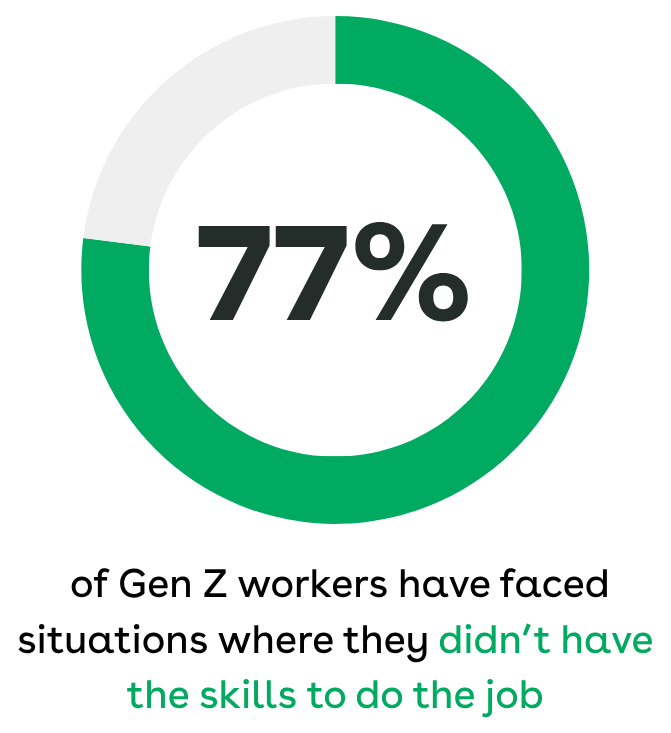
When skills gaps surface, it doesn’t just slow them down—it takes a toll, leaving young workers feeling unsupported and exposed:
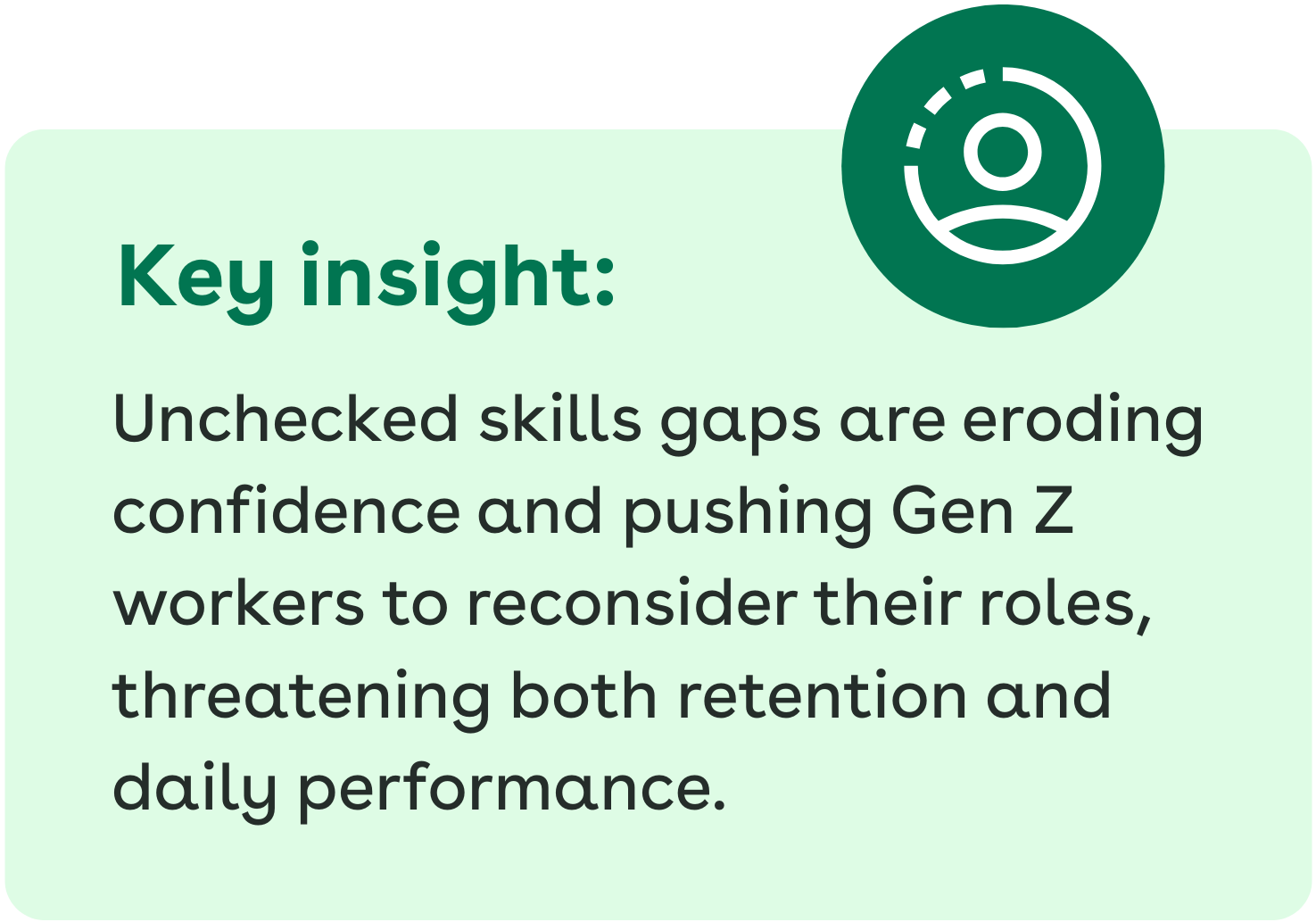
Gen Z workers want to do a good job. But skill gaps are leaving them exposed, frustrated and ready to leave.
This isn’t about a lack of employee effort—it’s about a lack of preparation and crucial frontline support. When workers feel unprepared, the fallout is real.


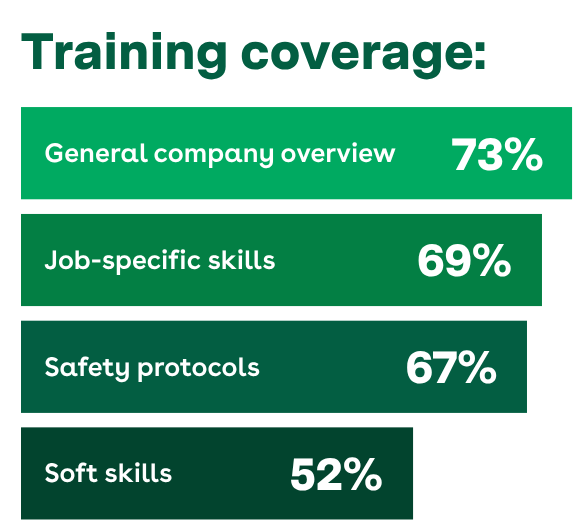
When training does happen, it’s often too generic, brief or boring. It leaves workers without the practical knowledge or confidence they need to succeed on the job.
When early experiences with training fall short, workers are more likely to feel unprepared, disconnected—and ultimately, unsupported.
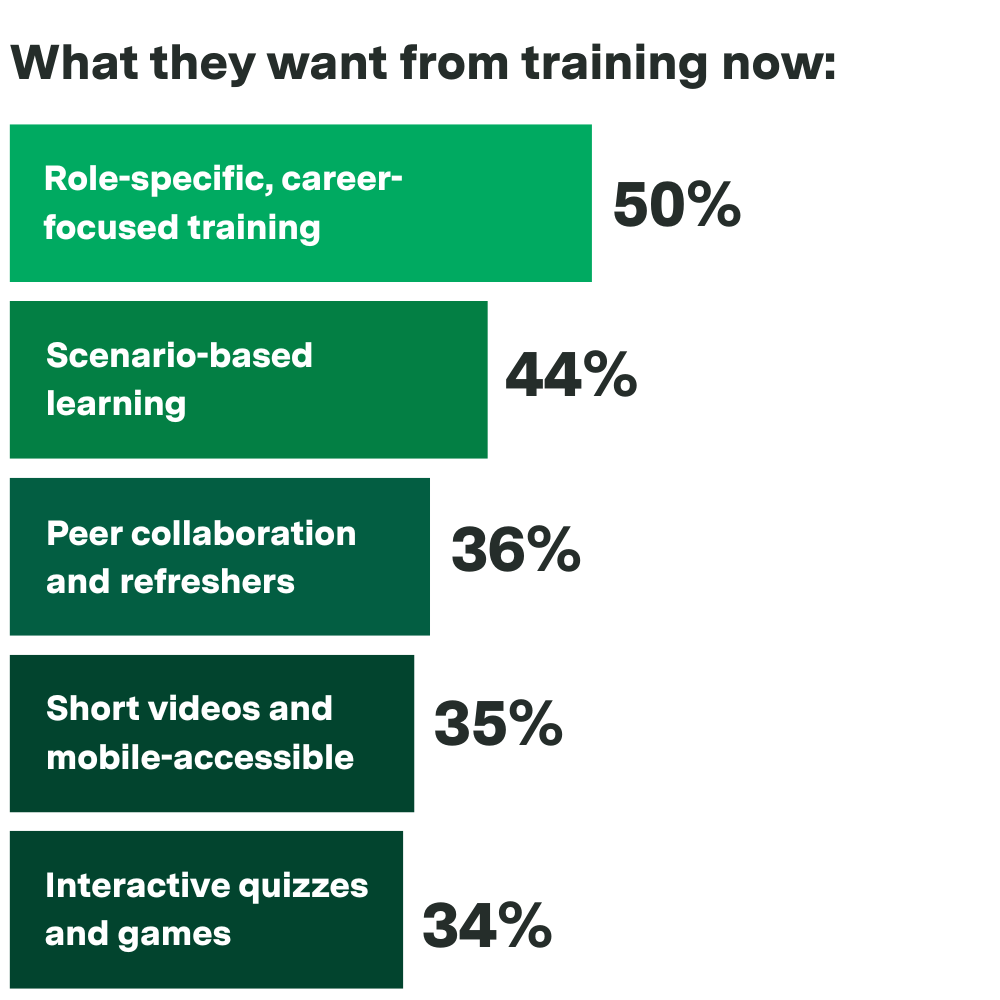
Training is too one-and-done, too generic and too disconnected from real-life challenges. Workers need skill-building that’s ongoing, relevant and helps them develop confidence as they enter the workforce.
When asked what would change if they received more relevant, engaging training, Gen Z frontline workers were clear: it would make a difference in how they feel, perform and grow at work.
With better training:
These aren’t perks—they’re essentials. The data shows that the right kind of training doesn’t just teach skills. It unlocks confidence, motivation and staying power.